Why do we keep fixing the same machine problems over and over?
Laszlo Habensusz
Author
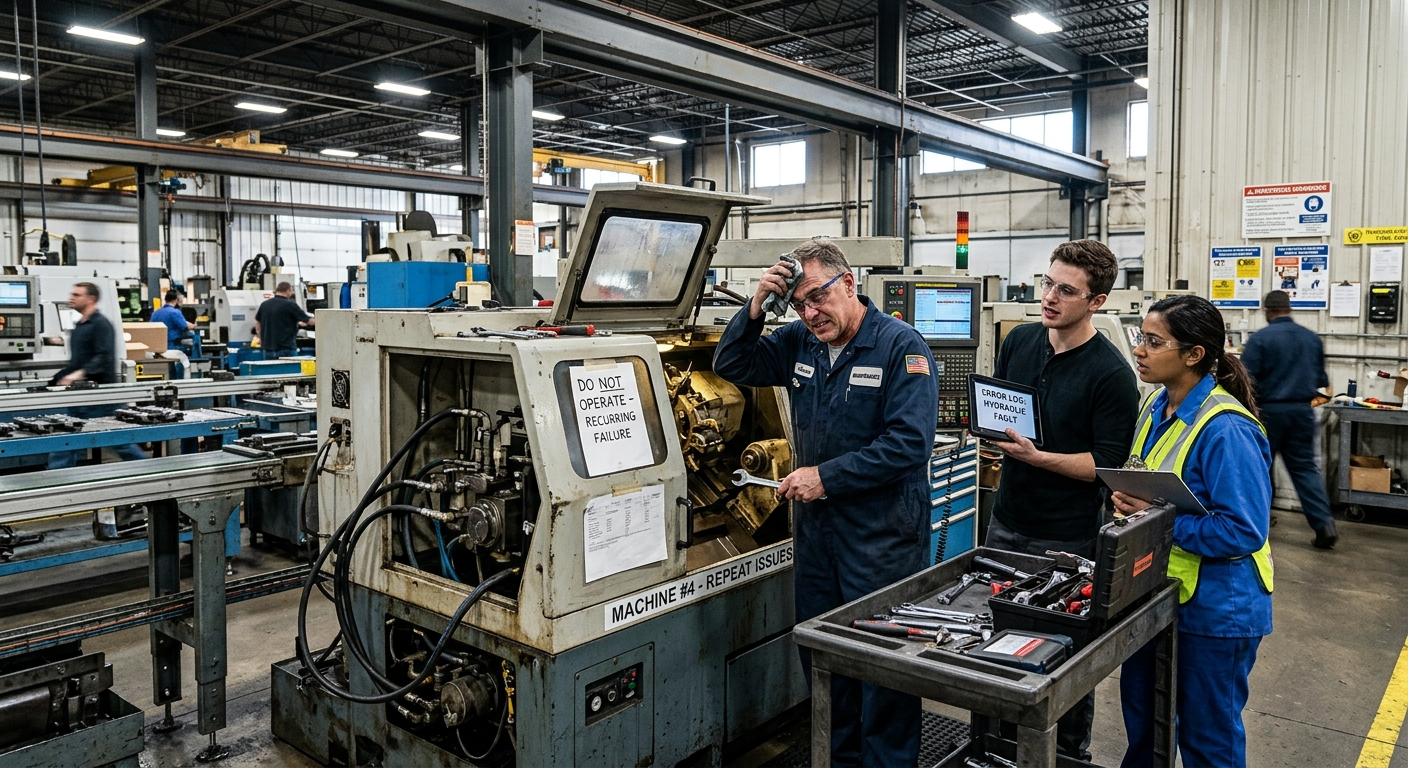
Why do we keep fixing the same machine problems over and over?
You keep fixing the same machine problems repeatedly because you're likely addressing symptoms rather than underlying root causes, or your maintenance actions aren't effectively documented and analyzed. This creates a cycle of reactive repairs instead of lasting solutions, as valuable insights from past failures are lost without a clear, accessible history.
This frustrating cycle leads to wasted time, increased costs, and persistent unplanned downtime. It signals a deeper issue in how maintenance is managed and executed, often stemming from a lack of systematic problem-solving and information tracking.
The Vicious Cycle of Recurring Breakdowns
Many organizations find themselves stuck in a loop: a machine breaks, it gets repaired, only to fail again with the same or a very similar issue weeks or months later. This isn't just bad luck; it's often a symptom of systemic weaknesses in maintenance processes.
Common Reasons for Repetitive Failures:
- Lack of Root Cause Analysis (RCA): Often, repairs focus on the immediate failure (e.g., replacing a broken part) without investigating why that part failed in the first place. Without understanding the root cause, the underlying problem persists, ensuring the failure will recur.
- Poor Documentation and Asset History: If maintenance actions, parts used, observations, and previous fixes aren't meticulously recorded and easily accessible, technicians lack the context to diagnose recurring issues effectively. Each repair becomes a fresh start, rather than building on past knowledge.
- Inconsistent Maintenance Practices: Without standardized procedures, different technicians might perform the same repair differently, leading to varying quality and inconsistent results. This can reintroduce problems or fail to address them completely.
- Inadequate Training or Skill Gaps: Technicians might not have the specific knowledge or training required to correctly diagnose complex issues or perform intricate repairs, leading to superficial fixes that don't last.
- Using Incorrect or Substandard Parts: Sometimes, the urgency to get a machine running leads to using easily available, but incorrect or low-quality spare parts, which are more prone to premature failure.
- Ignoring Environmental or Operational Factors: External factors like excessive vibration, dust, humidity, improper machine operation, or overloading can contribute to failures, but are often overlooked during reactive repairs.
Breaking the Cycle: Steps to Permanent Fixes
To move beyond repeatedly fixing the same problems, you need to shift from reactive firefighting to a more proactive, data-driven approach.
Implement Structured Root Cause Analysis
For every significant or recurring breakdown, conduct a formal RCA. Techniques like the 5 Whys or Fishbone Diagrams can help teams drill down from the symptom to the ultimate cause. This ensures that solutions address the fundamental problem, not just its manifestation.
Centralize and Standardize Documentation
Every maintenance task, inspection, and repair needs to be thoroughly documented. This includes:
- Detailed work order notes (what was done, how, by whom)
- Parts used (and their specifications)
- Observed conditions (before and after repair)
- Recommendations for future maintenance
This creates a comprehensive asset history, providing invaluable context for future diagnostics.
Develop and Follow Standard Operating Procedures (SOPs)
Standardized procedures for common maintenance tasks ensure consistency and quality. When technicians follow the same proven steps, the likelihood of errors decreases, and the effectiveness of repairs increases.
Invest in Technician Training
Regular training ensures your team has the skills to diagnose complex issues, perform repairs correctly, and understand the specific nuances of your machinery. Empowering technicians with knowledge directly reduces the chances of repeat failures.
Optimize Spare Parts Management
Ensure you have access to the correct, high-quality spare parts when needed. This includes proper inventory management to avoid using substitutes that might compromise machine reliability.
Leverage Data for Continuous Improvement
By tracking Mean Time Between Failures (MTBF) and analyzing repair histories, you can identify problem assets, components, or recurring failure modes. This data is crucial for refining your maintenance strategy and preventing future issues.
How iTenance Helps Stop Recurring Machine Problems
This is where a modern CMMS (Computerized Maintenance Management System) like iTenance becomes invaluable. iTenance provides the framework and tools to implement these preventative strategies effectively.
- Centralized Asset History: Every repair, inspection, and part replacement is logged against the specific asset, creating a complete, searchable history that technicians can access instantly. This eliminates the guesswork and provides critical context for RCA.
- Standardized Work Orders and Procedures: iTenance allows you to create detailed work orders with attached SOPs, checklists, and safety instructions, ensuring every task is performed consistently and correctly.
- Root Cause Analysis Integration: The system can prompt for root cause identification within work order completion, helping to enforce this critical step in your maintenance process.
- Data Analytics and Reporting: iTenance tracks key metrics like MTBF, downtime, and repair costs. Its reporting features highlight assets or components experiencing frequent failures, allowing you to prioritize interventions and identify systemic issues.
- Spare Parts Management: Link spare parts directly to assets and work orders, track inventory levels, and ensure the right parts are available for planned and reactive maintenance.
- Preventive Maintenance Scheduling: By scheduling and tracking preventive tasks, iTenance helps you address potential issues before they escalate into breakdowns, reducing the chances of recurring failures.
By implementing a robust CMMS, you transform your maintenance operations from a reactive, repetitive cycle into a proactive, data-driven process that delivers lasting reliability and significantly reduces the frustration and costs associated with recurring machine problems.
Frequently Asked Questions
What is Root Cause Analysis (RCA) in maintenance?
Root Cause Analysis (RCA) is a systematic process for identifying the fundamental reasons for a problem or failure. Instead of just fixing the symptom, RCA aims to uncover the deepest cause so that effective, long-term solutions can be implemented to prevent recurrence.
How does poor maintenance documentation lead to recurring problems?
Poor documentation means there's no reliable record of past repairs, parts used, or observed conditions. This lack of historical data forces technicians to diagnose problems from scratch each time, often leading to repeat fixes of symptoms rather than addressing the underlying issues that were perhaps missed or forgotten from a previous attempt.
Can all recurring machine problems be prevented?
While it's difficult to prevent every single machine problem, a significant majority of recurring issues can be prevented or drastically reduced through systematic approaches like Root Cause Analysis, robust preventive maintenance, standardized procedures, and effective asset history tracking. The goal is to minimize, not eliminate, all failures.
What's the role of preventive maintenance in stopping repeat failures?
Preventive maintenance (PM) plays a crucial role by addressing potential wear and tear or minor issues before they escalate into major breakdowns. By regularly inspecting, lubricating, cleaning, and replacing components based on schedules, PM helps maintain equipment in optimal condition, thereby reducing the likelihood of unexpected failures and preventing the same problems from reoccurring.
Tags
Laszlo Habensusz
Author
Related Posts

Why Can't I Tell Which Plant Is Really Struggling with Downtime?
Sep 21, 2026 · 6 min read

Why Do Our New Maintenance Technicians Take So Long to Get Up to Speed?
Sep 14, 2026 · 8 min read
Machine Down: Why Do We Always Find Out We're Out of Spares Mid-Repair?
Aug 16, 2026 · 7 min read
Ready to optimize your maintenance?
Start your 30-day free trial today. No credit card required, no hidden fees.