Your Machines Don't Care About Your Production Schedule — But Itenance Does
Laszlo Habensusz
Author
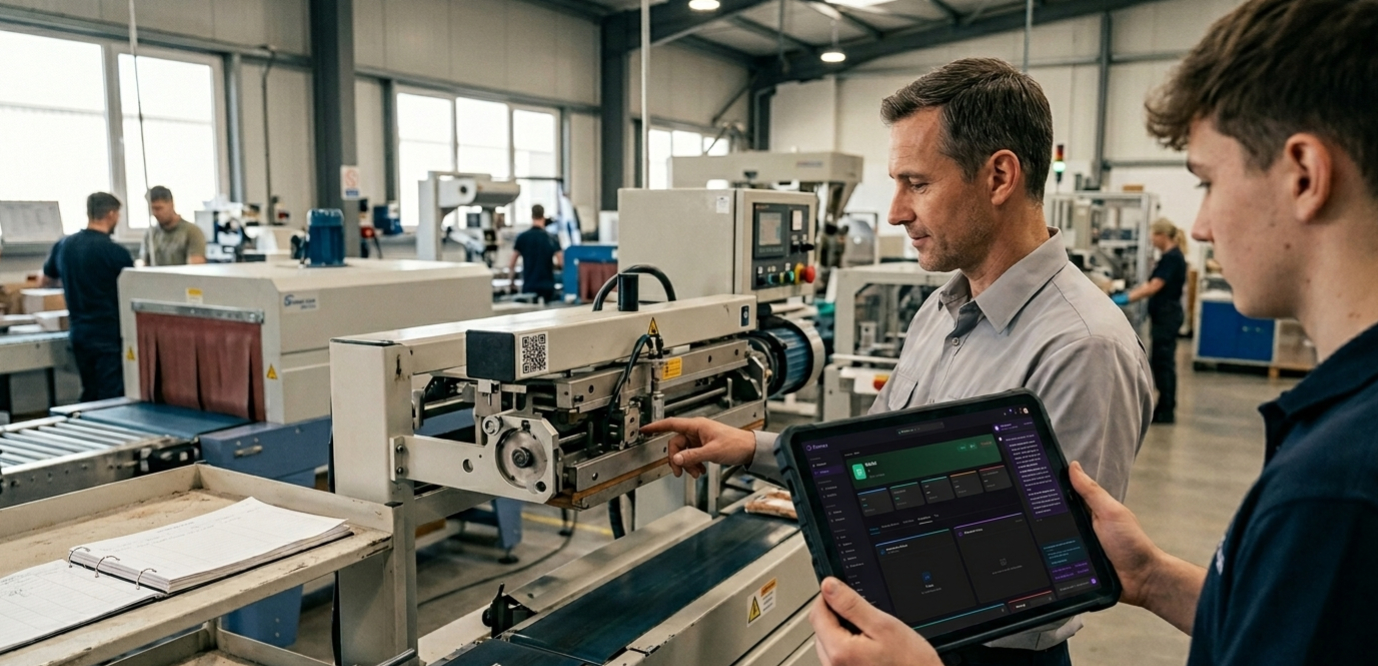
It always happens at the worst possible moment. A key machine goes down on a Monday morning. You have a full order book, two operators standing around waiting, and your one maintenance technician staring at a gearbox he has never had to open before. By the time the part arrives and the line is back up, you have lost most of the day — and quietly absorbed a cost that never shows up cleanly in any report.
For large factories, this scenario became the exception decades ago. They invested in structured maintenance programmes, spare parts inventories, and eventually software systems to keep everything coordinated. For small and mid-sized manufacturers — the kind running 10 to 60 machines with a team of one or two maintenance people — those tools always seemed too expensive, too complex, or simply overkill.
That gap is exactly what Itenance was built to close.
The Real Cost of "We'll Fix It When It Breaks"
Consider a small food packaging company with 18 machines: conveyors, filling stations, two heat sealers, an air compressor system, a shrink-wrap tunnel, and several smaller auxiliary units. Their maintenance approach is typical: one experienced technician, a paper logbook on a shelf in the workshop, and a mental map of which machines are "temperamental."
When something breaks, the technician fixes it. He is good at what he does. But the knowledge lives entirely in his head. There is no record of which bearing was last replaced on the conveyor drive, no reminder that the compressor filter is due, and no way for the production manager to know that the sealer on Line 2 has had three small interventions in the past six weeks — a clear early warning sign that something bigger is coming.
One Thursday afternoon, that sealer stops mid-run. The fault turns out to be a worn cam follower — a €38 part. But the machine is down for nearly two days while the part is sourced, and the line produces nothing during that time. Lost output, overtime on other shifts to compensate, and one very stressful phone call to a customer: the real cost of that €38 part is closer to €9,000.
This is not a story about bad luck. It is a story about the absence of a system.
What a System Actually Looks Like in Practice
A maintenance system does not need to be complicated. At its core, it needs to do three things well:
- Know what machines you have and their complete service history
- Tell the right person what needs doing and when
- Record what was done, so the next person is not starting from zero
Itenance is built around exactly these three pillars — with an AI layer on top that starts connecting the dots between your data over time.
1. Your Machine Park, Finally in One Place
The first step when a company sets up Itenance is building the asset register. Every machine gets its own profile: manufacturer, model, serial number, installation date, location on the floor, and any technical documentation. This alone is transformative for companies that have been running for years on scattered paper records and the memory of long-serving staff.
From that moment, every intervention — whether a planned service, a small adjustment, or a full breakdown repair — is logged against that specific machine. Within a few months, you have a maintenance history that gives you real insight: which machines are costing the most, which are reliable workhorses, and which are beginning to show patterns of repeated small failures.
2. Scheduled Maintenance That Actually Happens
Most manufacturers know, in theory, that they should be doing regular preventive maintenance. In practice, it gets pushed back when production is busy — which is always. There is no external pressure to do it, and no visible consequence until the machine breaks.
Itenance replaces good intentions with automatic triggers. You define the maintenance intervals for each machine — every 500 operating hours, every 30 days, after every production run over a certain length — and the system generates work orders automatically when those thresholds are reached. The technician gets a clear task list. The production manager can see what is scheduled for the week. Nothing slips through because someone forgot.
For the packaging company in our example, setting up a 90-day service interval on both heat sealers — including a cam follower inspection — would have flagged the wear weeks before the breakdown. A €38 part and 40 minutes of planned downtime instead of two lost production days.
3. Work Orders That Close the Loop
A work order in Itenance is not just a task — it is a record. When a technician completes a job, they log what they did, what parts were used, how long it took, and any observations for the next service. If a replacement was needed, the parts cost is captured too.
This means that when the same machine needs attention six months later — or when a new technician joins the team — the full context is there. No more relying on memory or hunting through paper notebooks. The machine's history is a few taps away on any phone or tablet on the shop floor.
Where the AI Makes the Difference
Structured maintenance records are valuable on their own. But Itenance goes a step further by using AI to analyse the patterns in your data and surface insights you would not spot manually.
After a few months of operation, the system begins to learn. It notices that a particular conveyor motor tends to need unplanned attention in the weeks after its scheduled belt tension check is delayed. It flags that three machines in the same production cell are showing a rising trend in minor interventions — which could indicate a shared environmental cause, like a ventilation problem or floor vibration. It suggests adjusting service intervals based on actual usage rather than calendar time.
These are not dramatic predictions. They are the kind of quiet, practical observations that an experienced maintenance manager builds up over years — made available to every company, regardless of whether they have a seasoned expert on staff.
For a small manufacturer, this is genuinely significant. It means that even a one-person maintenance operation can start working with the same intelligence and foresight that larger competitors have built up over decades.
Getting Started Does Not Require a Big Project
One of the most common concerns small manufacturers have about maintenance software is the implementation effort. The assumption is that it means months of setup, data migration, and training — time and budget they do not have.
Itenance is designed to be operational quickly. Most companies are running their first work orders within a day of signing up. The asset register can be built incrementally — starting with the ten most critical machines and expanding from there. The system works on any device with a browser, so there is nothing to install on the shop floor.
The goal is not perfection on day one. It is to replace the paper logbook and the mental note with something that grows more valuable the longer you use it. Six months in, you will have a maintenance history that gives you real visibility. A year in, the AI recommendations start carrying real weight. Two years in, you will find it very difficult to remember how you managed without it.
A Practical Example: One Week in a Manufacturing Business Using Itenance
To make this concrete, here is what a typical week looks like for a mid-sized metal fabrication shop — 24 machines, one maintenance technician, one apprentice — once they are established on Itenance.
Monday morning: The technician opens the Itenance dashboard on his tablet. He sees three work orders scheduled for this week: a filter replacement on the CNC coolant system, a lubrication round on the press brakes, and a full monthly check on the compressor station. All three were generated automatically based on the intervals set for each machine. He assigns the lubrication round to the apprentice.
Tuesday: An operator reports that one of the guillotine shears is making an unfamiliar noise. She logs it directly in Itenance from her phone — no paperwork, no walking to the office. The technician gets a notification, reviews the machine's recent history, and creates a diagnostic work order for the following morning before production starts.
Wednesday: The diagnostic finds a loose blade clamp bolt — a five-minute fix. It is logged with the parts used (none) and time spent. The machine's record now shows this event, and Itenance notes it for the next scheduled service.
Friday: The production manager pulls up the weekly maintenance report before the management meeting. Two of the three scheduled jobs are complete. The compressor check is rescheduled to Monday because of an urgent production run on Thursday. This decision and its rationale are logged. Nobody has to try to remember it next week.
No drama. No surprises. No breakdown that "nobody saw coming."
The Numbers That Change
Companies that move from reactive to structured preventive maintenance typically see unplanned downtime fall by 30 to 50 percent within the first year. For a small manufacturer losing an average of one to two unplanned production days per month — a conservative estimate for a machine park with no system — that translates to meaningful money.
If unplanned downtime costs your business an average of €1,500 per day in lost output, overtime, and recovery effort, preventing even half of those events saves €9,000 to €18,000 per year. The maintenance software pays for itself many times over — and that is before counting the longer machine lifespans, lower emergency parts costs, and the reduction in the kind of stress that nobody puts in a business case.
Your Machines Are Trying to Tell You Something
Every machine on your floor is producing information: operating hours, temperature, vibration, noise, small performance changes. Most of that information disappears unrecorded. Itenance gives you the structure to capture it, the tools to act on it, and the intelligence to understand what it means.
You do not need a large factory or a dedicated maintenance department to benefit from this. You need 10 machines, one technician, and the decision to stop leaving things to chance.
The machines will not wait for a convenient moment to break down. But with the right system in place, you will be ready long before they do.
Explore how Itenance works for manufacturing businesses like yours →
Laszlo Habensusz
Author
Related Posts
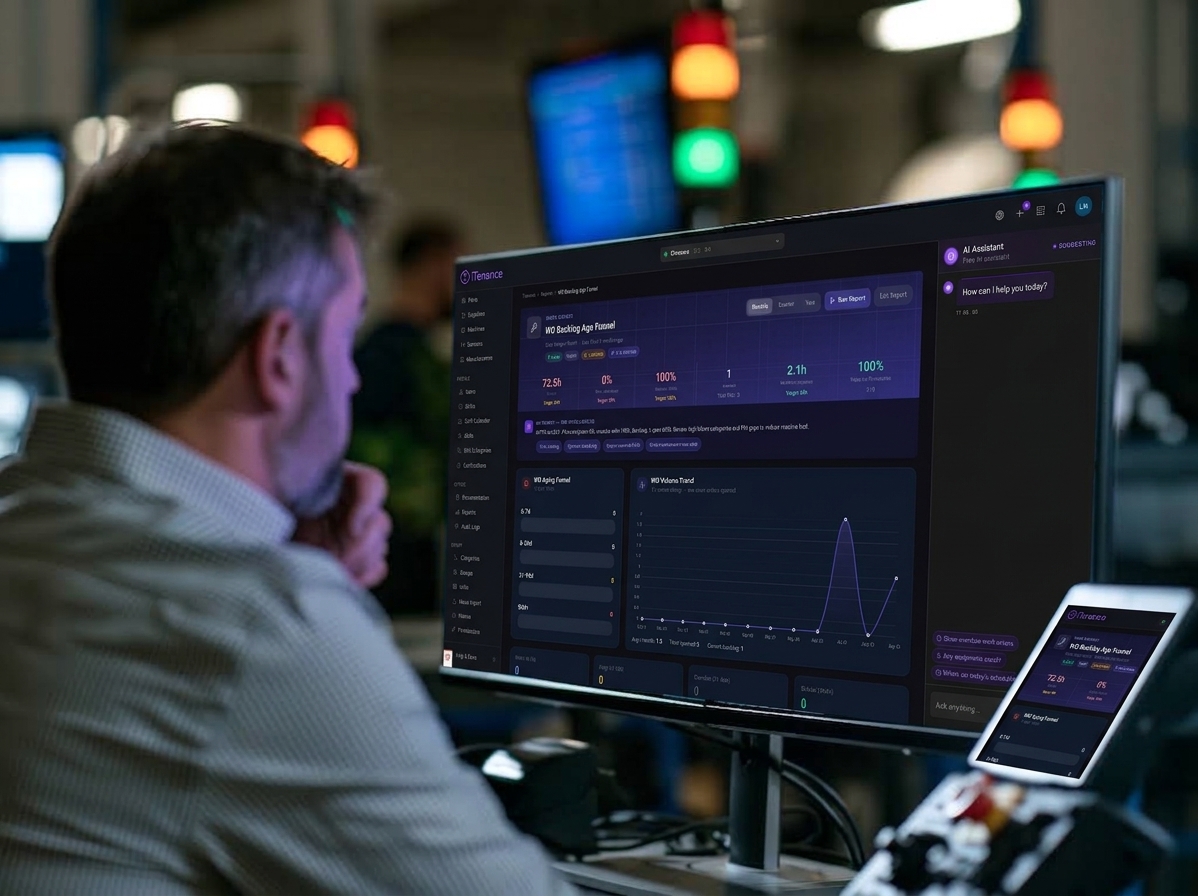
Why Can't I Tell Which Plant Is Really Struggling with Downtime?
Sep 21, 2026 · 6 min read
Why Do Our New Maintenance Technicians Take So Long to Get Up to Speed?
Sep 14, 2026 · 8 min read
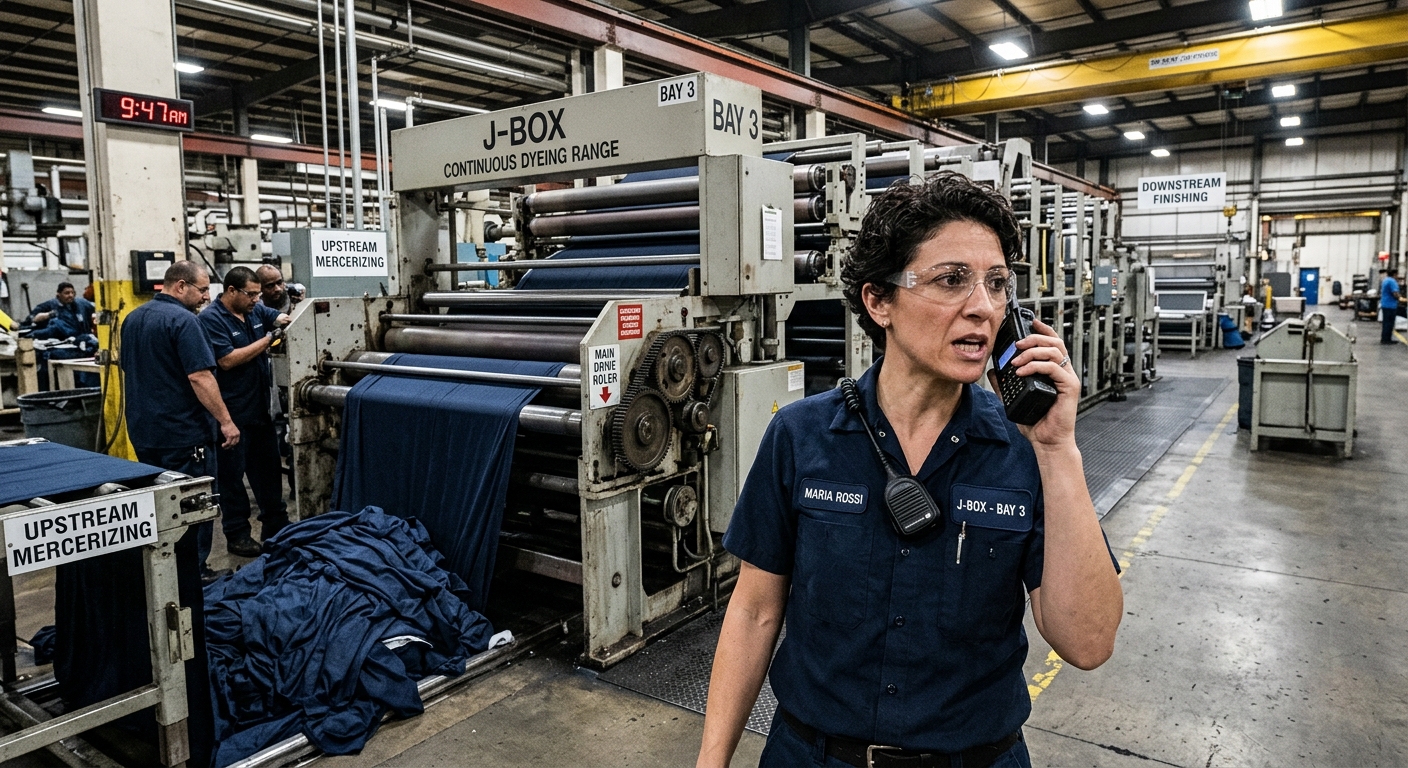
Machine Down: Why Do We Always Find Out We're Out of Spares Mid-Repair?
Aug 16, 2026 · 7 min read
Ready to optimize your maintenance?
Start your 30-day free trial today. No credit card required, no hidden fees.