Maintenance
Why Do Our New Maintenance Technicians Take So Long to Get Up to Speed?
Sep 14, 2026
設備保全管理の最新トレンド、ベストプラクティス、運用最適化のヒントをご紹介します
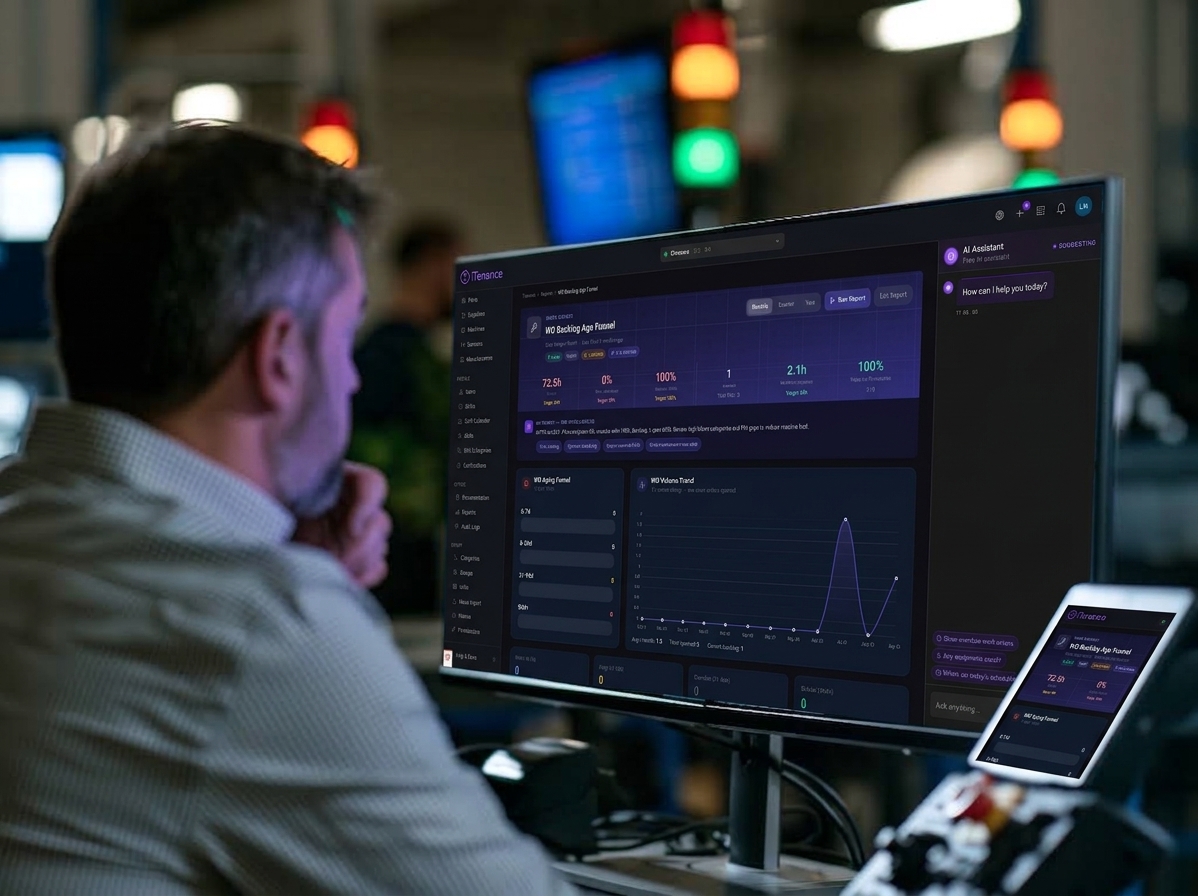
Comparing maintenance performance across multiple fabrication plants is essential, but often impossible. Learn how to get a clear, comparable view of downtime and costs.
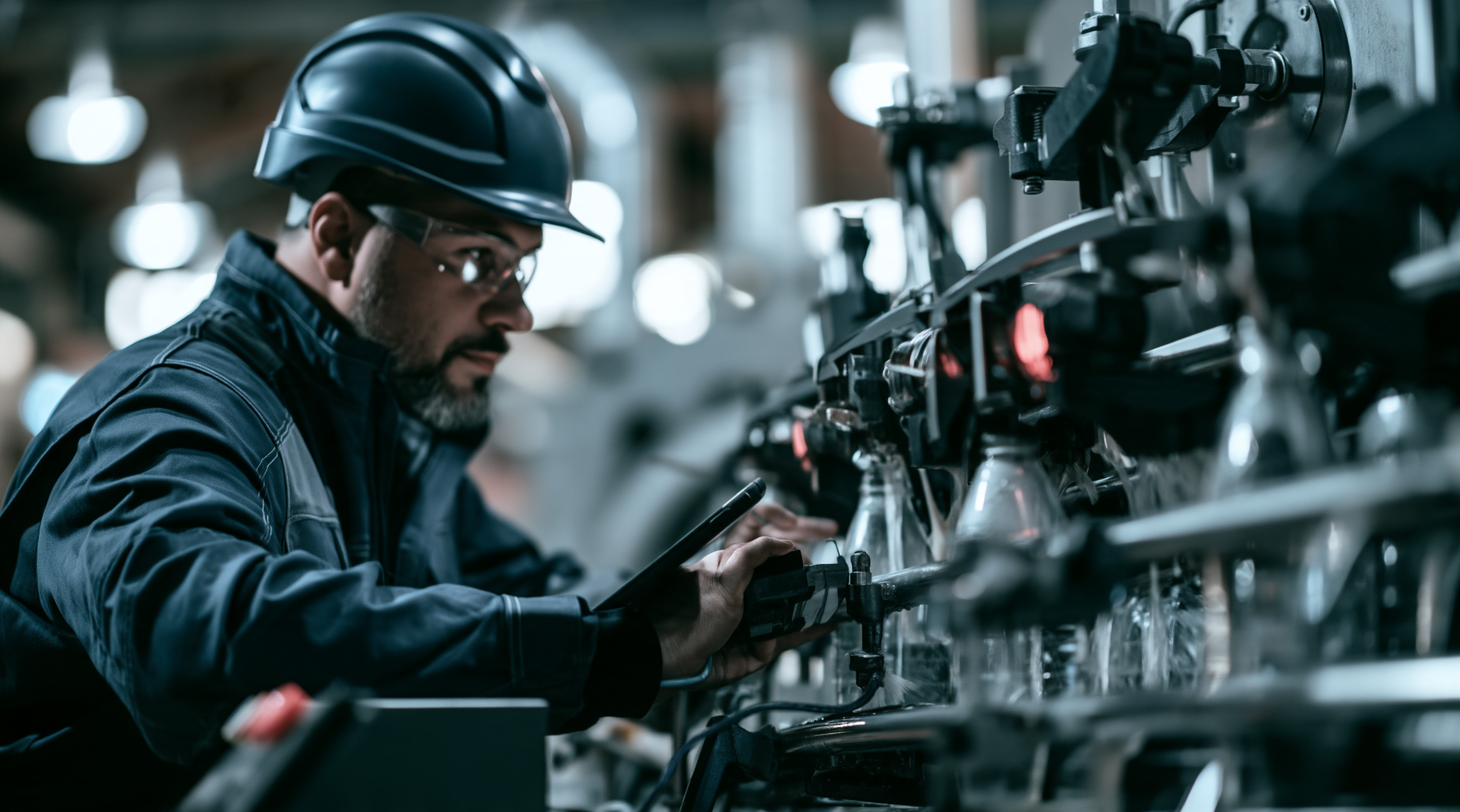
New technicians often struggle to become fully productive because critical machine knowledge is trapped in experienced heads or buried in outdated binders. This leads to longer downtime and frustration on the plant floor.
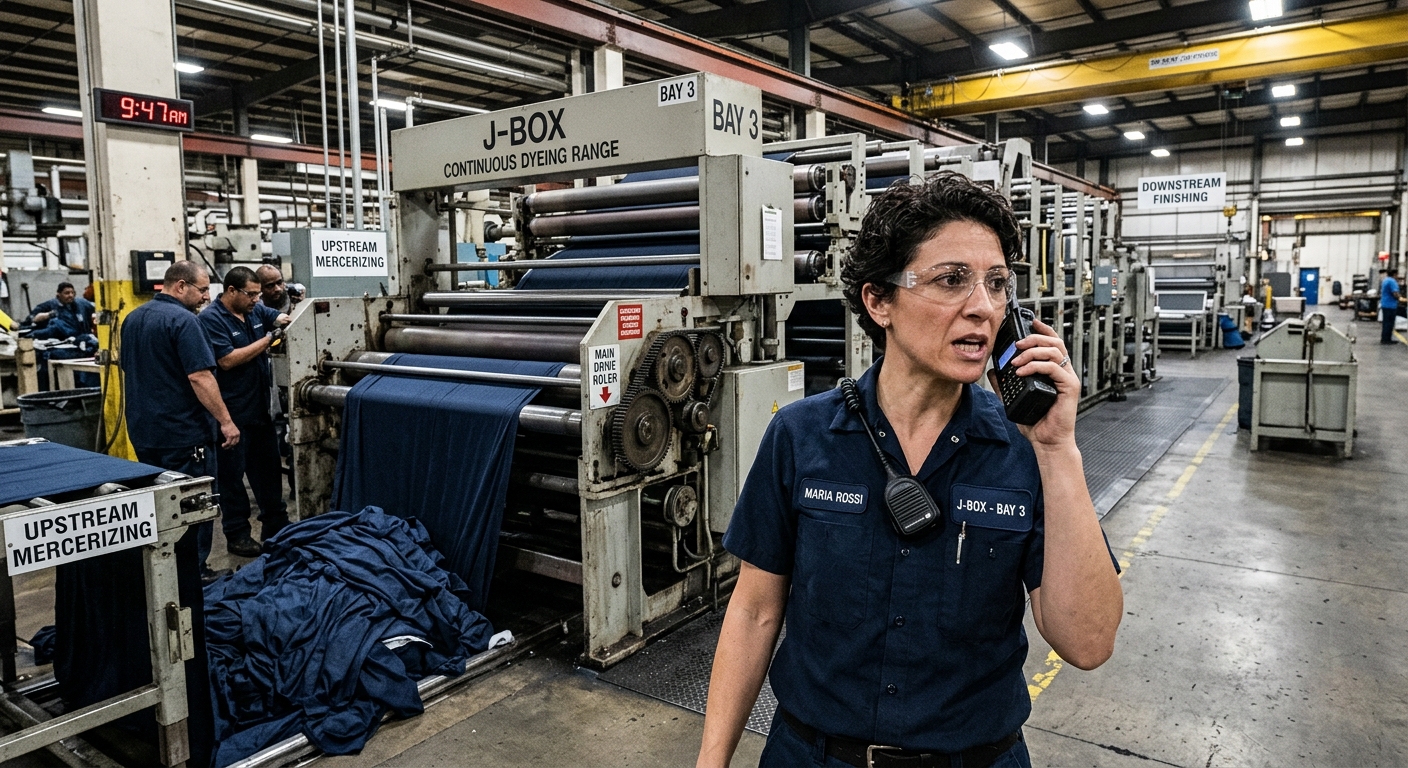
Discovering a critical spare part is out of stock only after you've opened up a complex machine can turn a quick fix into a days-long production nightmare. Learn why this common textile mill problem happens and how to prevent it.
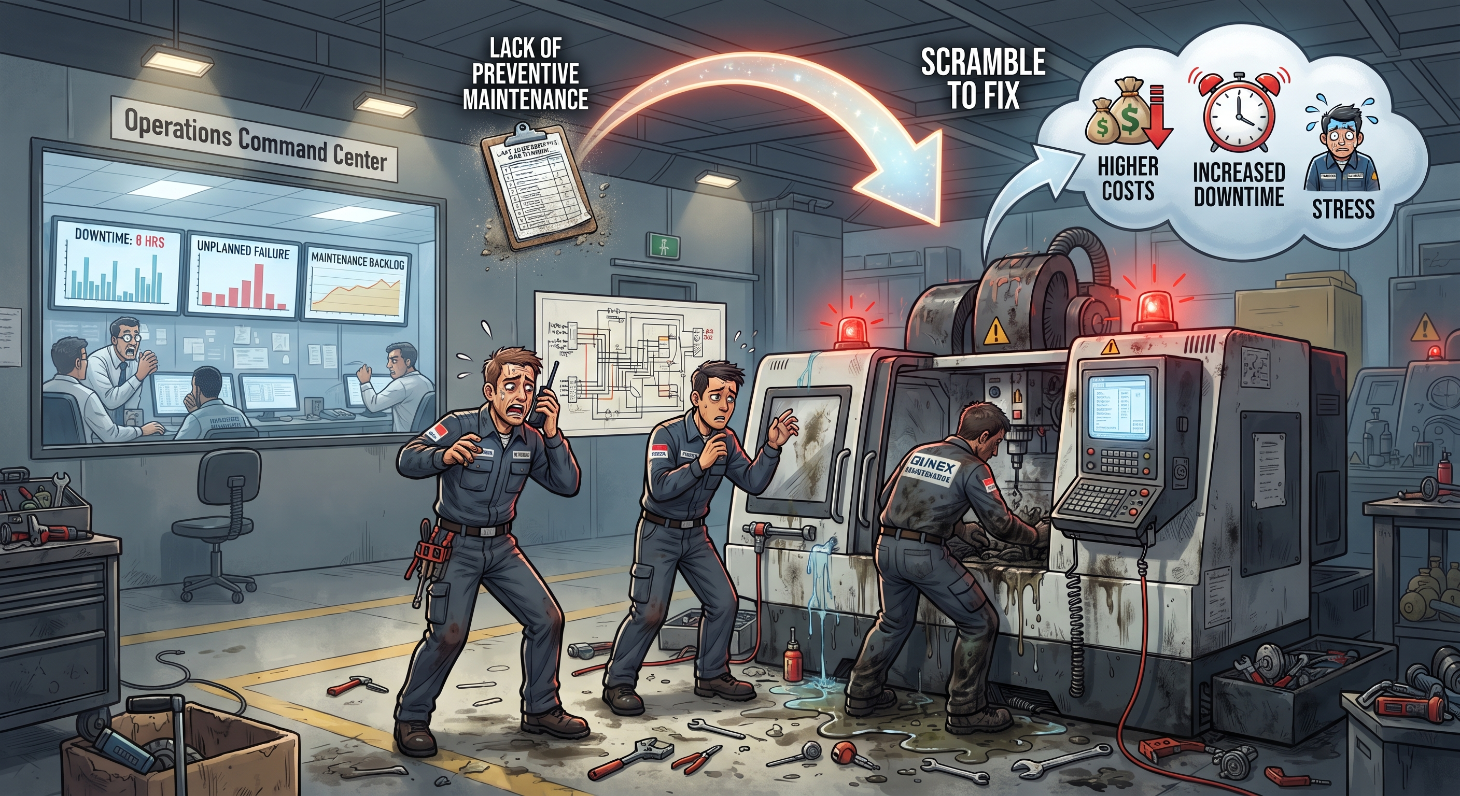
If your team is constantly scrambling to fix unexpected equipment failures, it's likely due to a lack of structured preventive maintenance, poor data tracking, and insufficient planning. This cycle leads to higher costs, increased downtime, and stress.
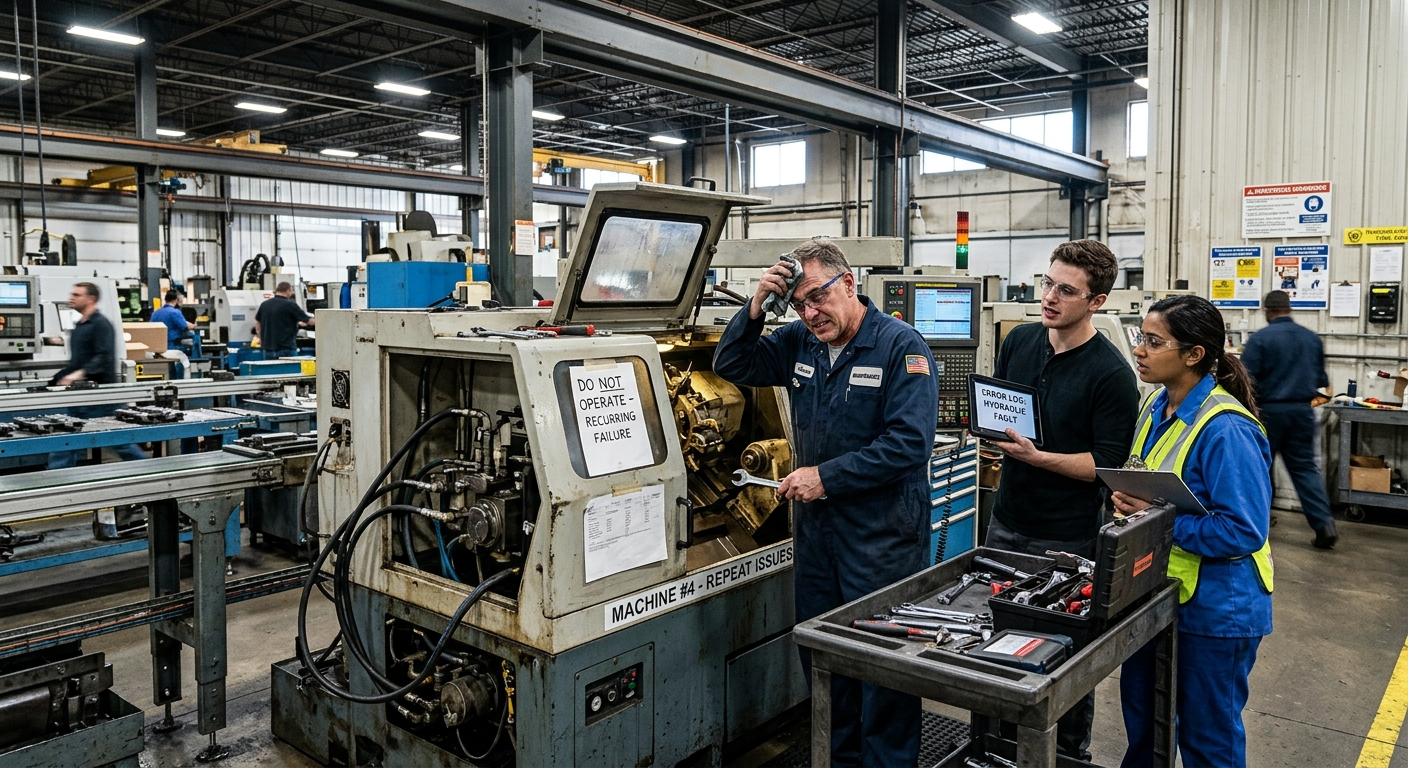
You keep fixing the same machine problems repeatedly because you're likely addressing symptoms rather than underlying root causes, or your maintenance actions aren't effectively documented and analyzed. This creates a cycle of reactive repairs instead of lasting solutions, as valuable insights from past failures are lost without a clear, accessible history.
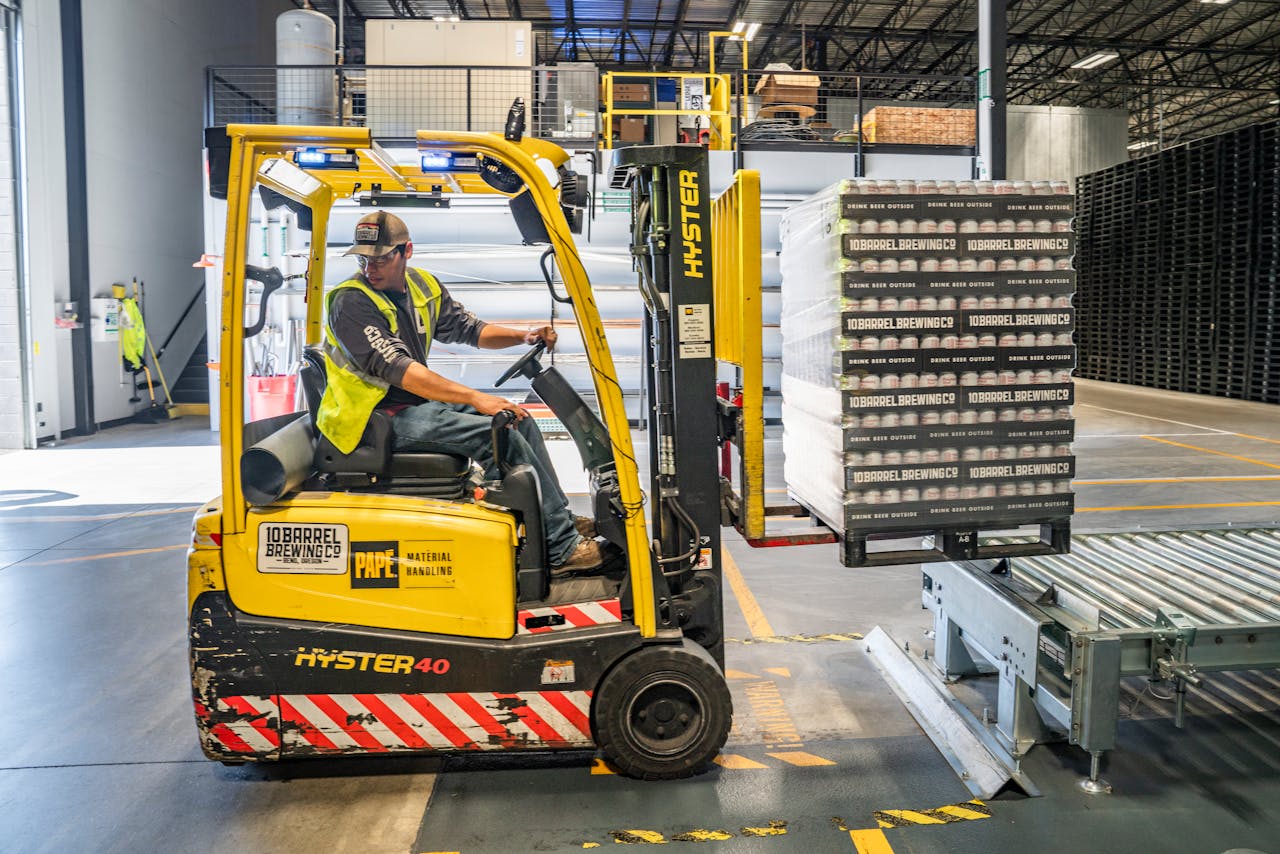
Most maintenance teams service their machines on a fixed calendar schedule — every 90 days, no matter what. But two identical forklifts in the same warehouse can have completely different wear curves depending on how hard they work. AI-driven scheduling reads actual usage data — hours run, load cycles, fault frequency — and adjusts service intervals for each individual machine. The result: less money wasted on unnecessary services, and fewer breakdowns slipping through the gaps.
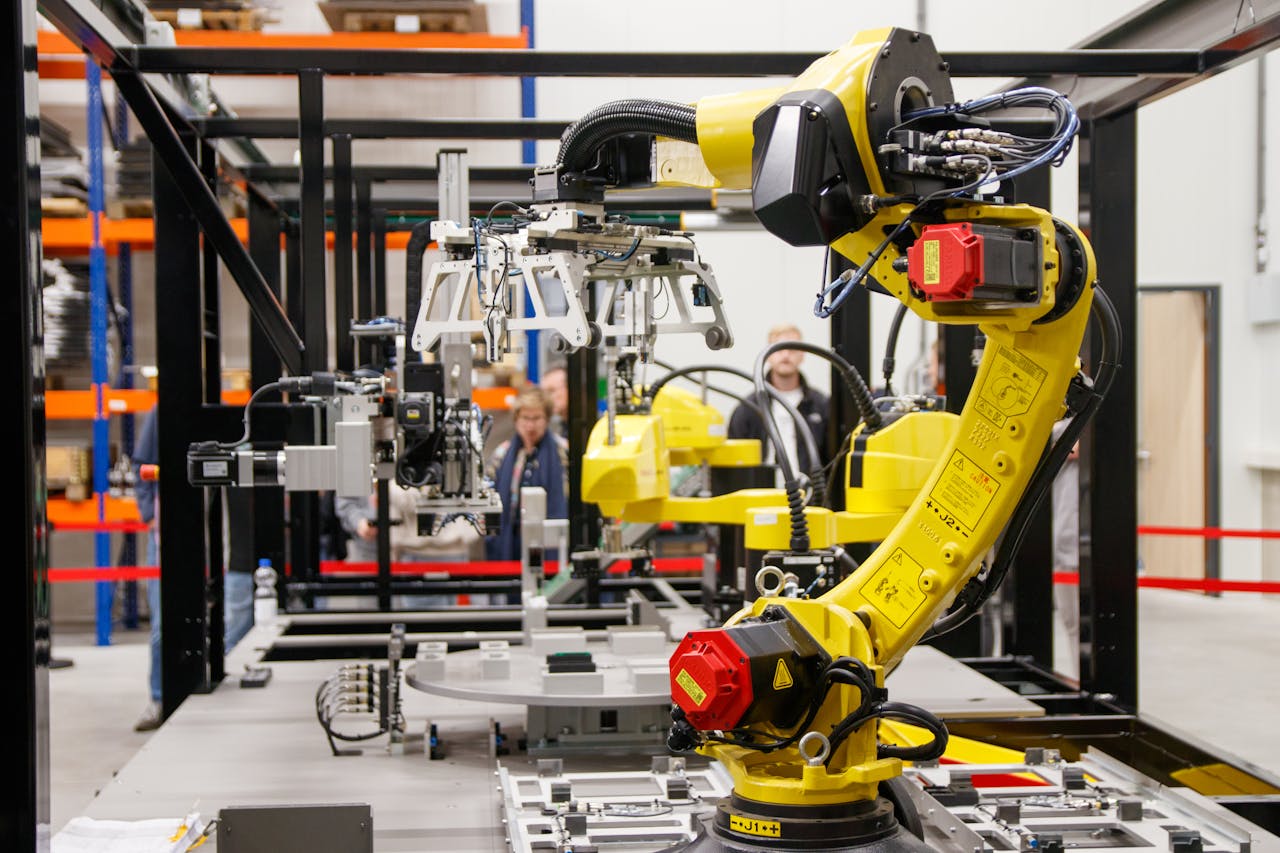
Discover how AI-powered CMMS tools like Itenance detect equipment failures weeks before they happen — saving automotive manufacturers tens of thousands in unplanned downtime.