Maintenance
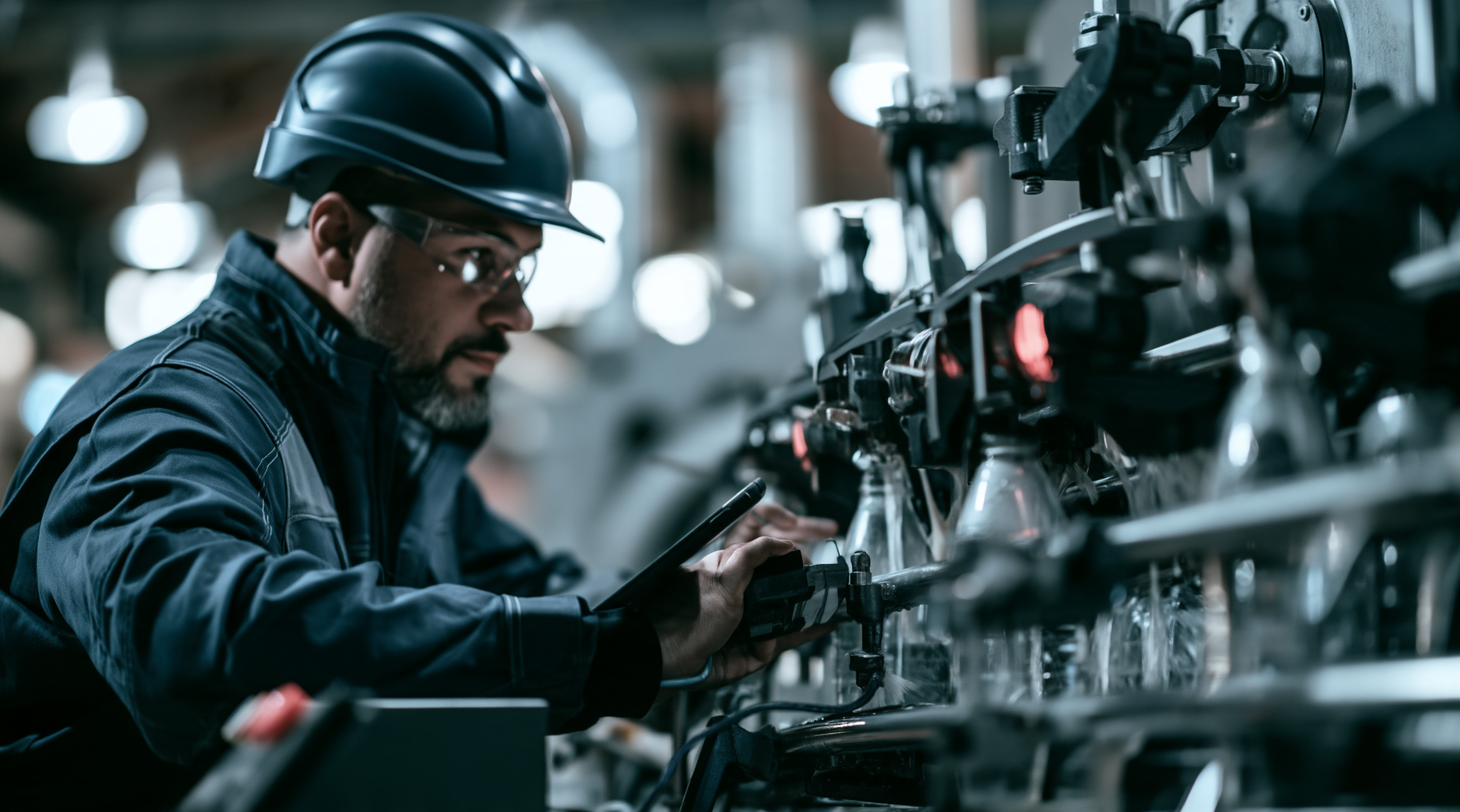
Why Do Our New Maintenance Technicians Take So Long to Get Up to Speed?
Sep 14, 2026
اكتشف أحدث التوجهات في إدارة الصيانة، وأفضل الممارسات، والنصائح لتحسين عملياتك

Comparing maintenance performance across multiple fabrication plants is essential, but often impossible. Learn how to get a clear, comparable view of downtime and costs.
New technicians often struggle to become fully productive because critical machine knowledge is trapped in experienced heads or buried in outdated binders. This leads to longer downtime and frustration on the plant floor.
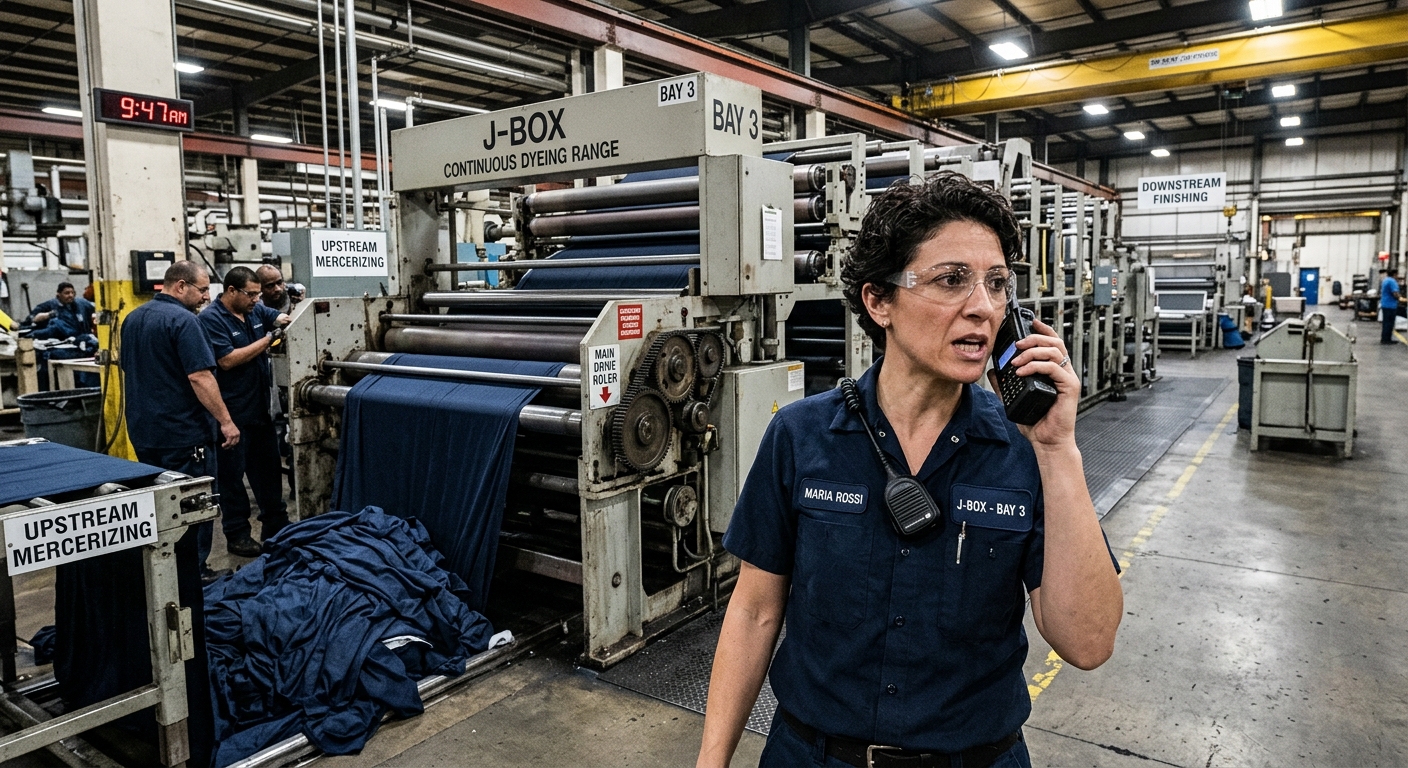
Discovering a critical spare part is out of stock only after you've opened up a complex machine can turn a quick fix into a days-long production nightmare. Learn why this common textile mill problem happens and how to prevent it.
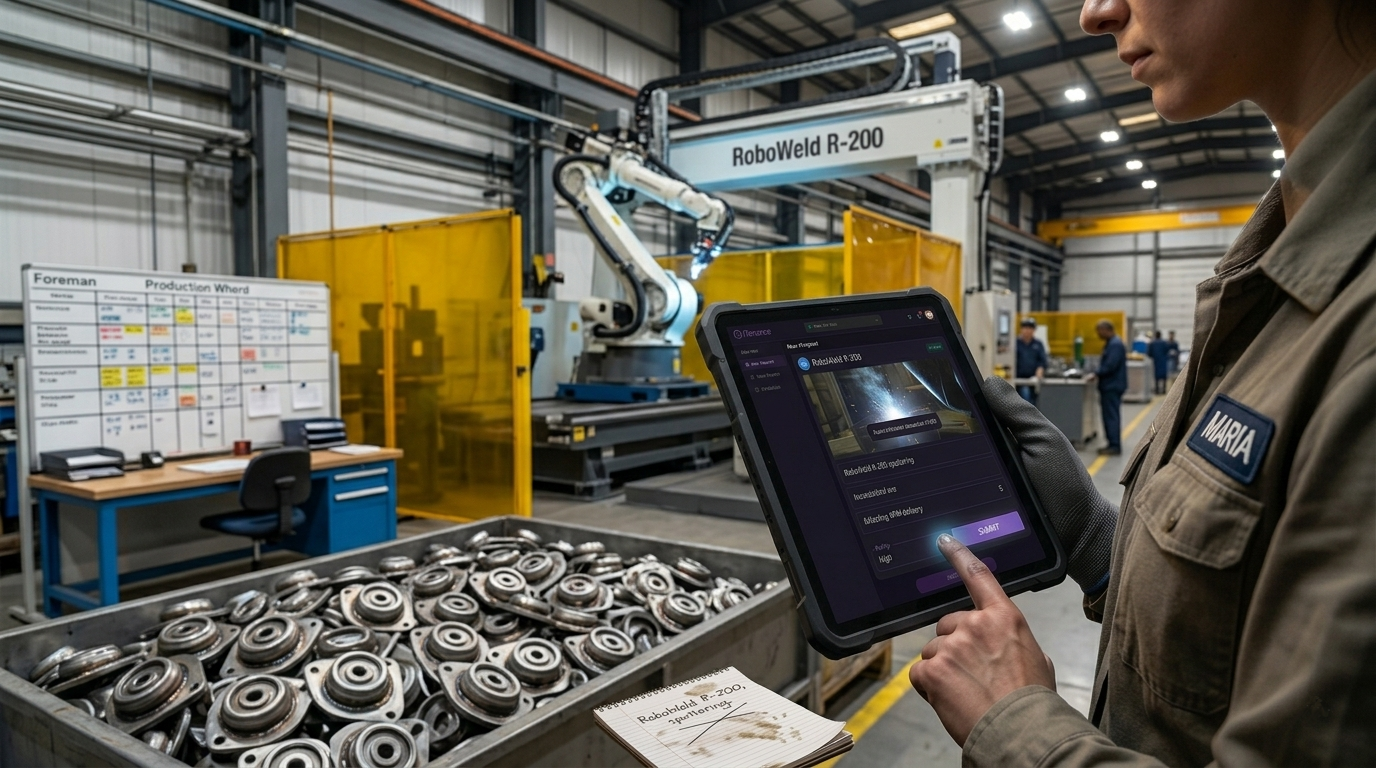
Lost maintenance requests lead to missed deadlines and costly downtime. Discover how a simple mobile system ensures every fault is seen and acted on, every time.
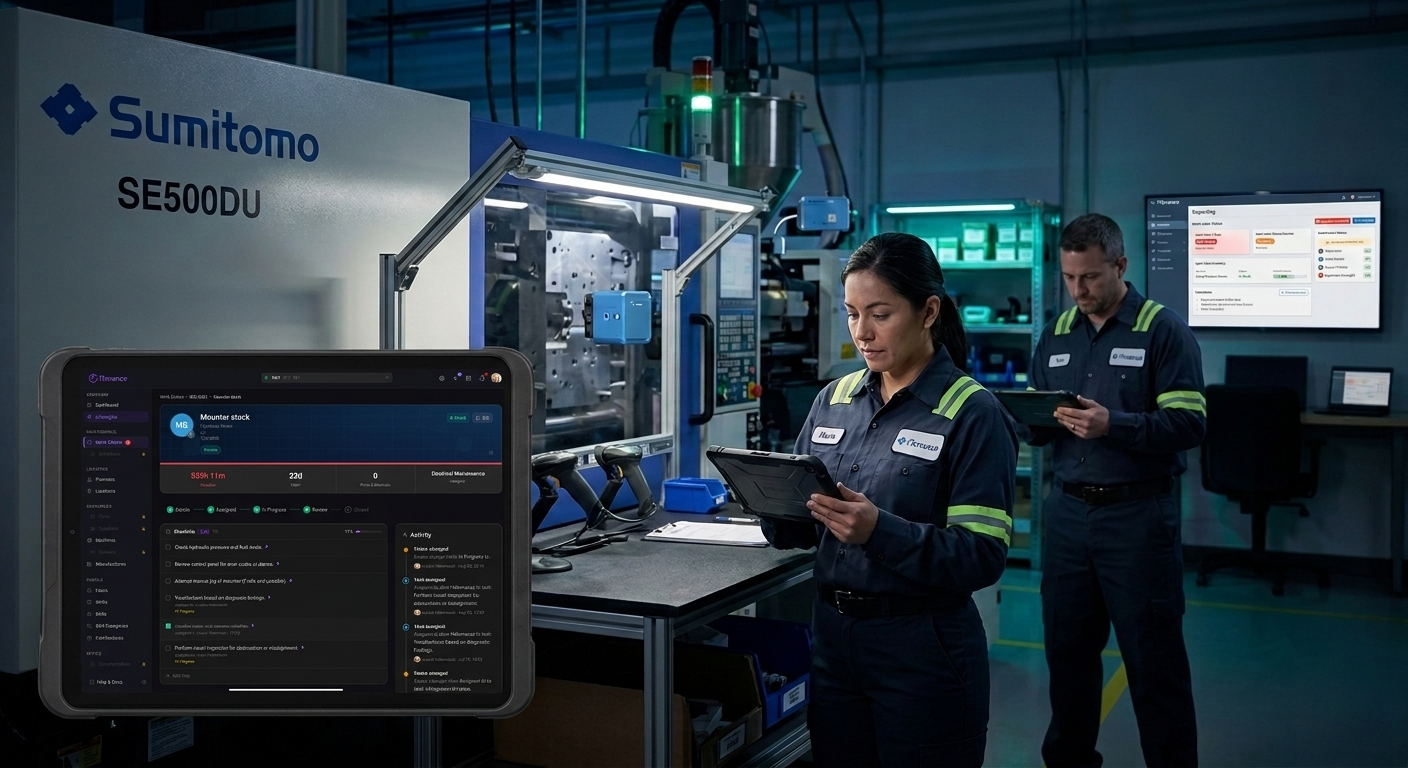
When your critical production line relies on one technician's memory, holidays become a high-stakes gamble. Learn how to break free from tribal knowledge and keep your injection moulding machines running, even when your top tech is away.
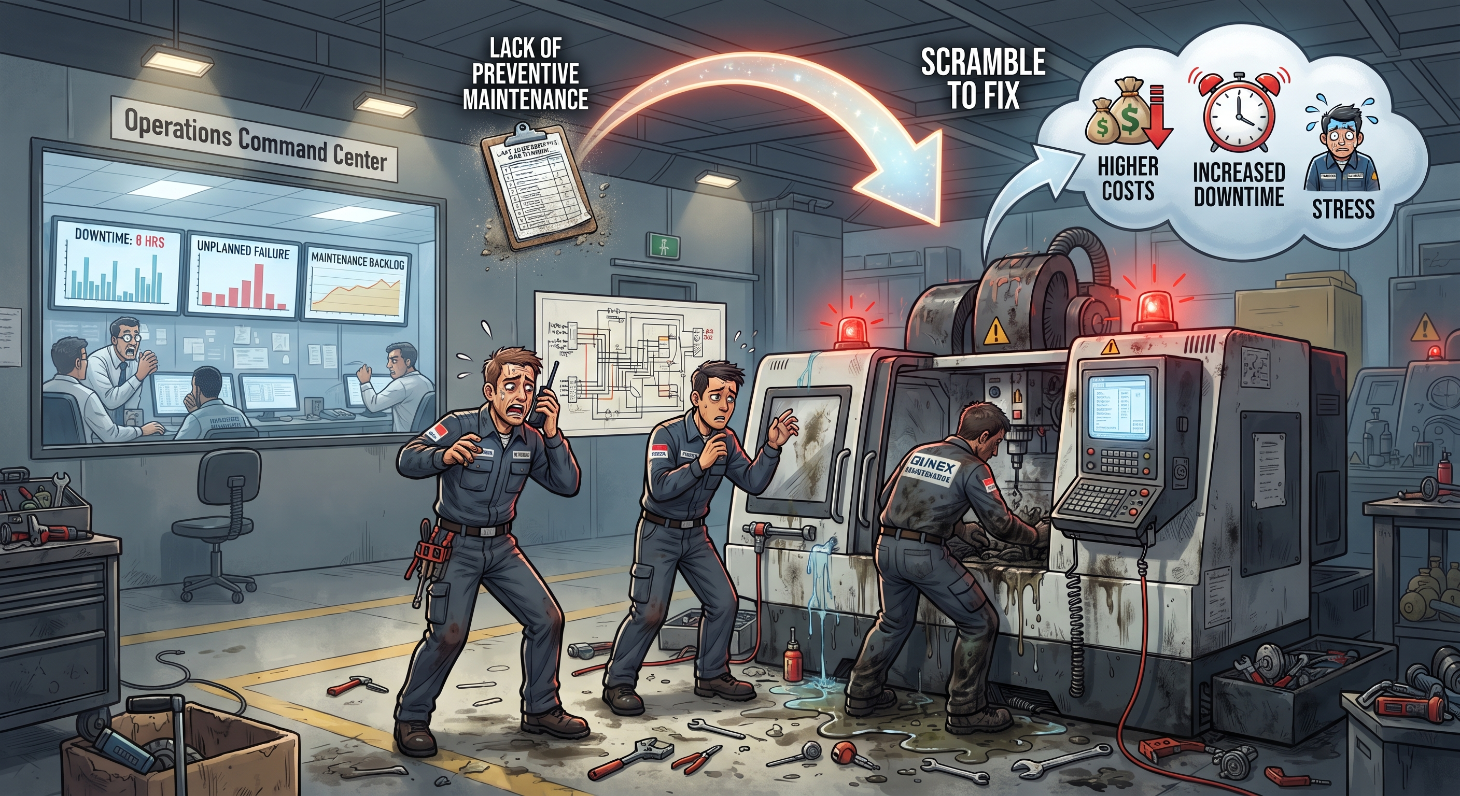
If your team is constantly scrambling to fix unexpected equipment failures, it's likely due to a lack of structured preventive maintenance, poor data tracking, and insufficient planning. This cycle leads to higher costs, increased downtime, and stress.
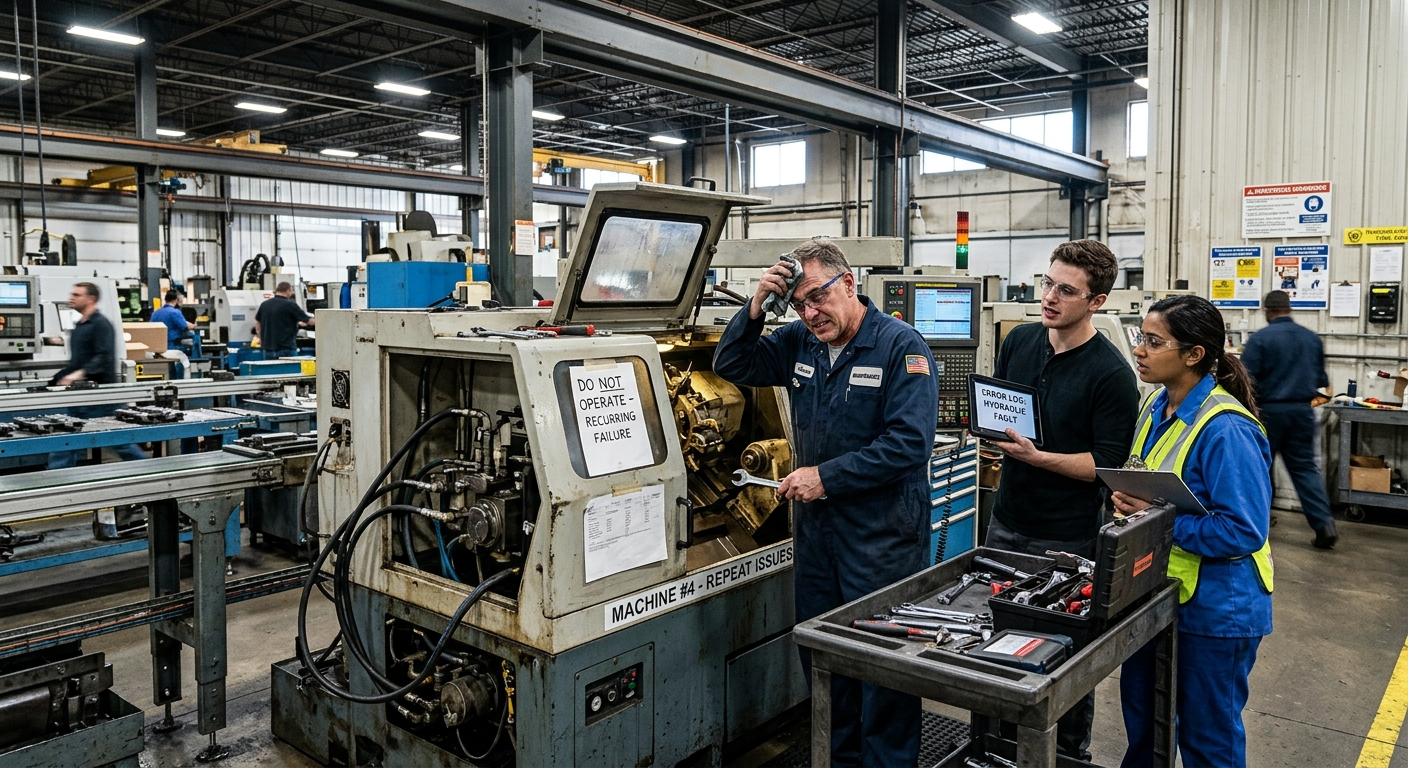
You keep fixing the same machine problems repeatedly because you're likely addressing symptoms rather than underlying root causes, or your maintenance actions aren't effectively documented and analyzed. This creates a cycle of reactive repairs instead of lasting solutions, as valuable insights from past failures are lost without a clear, accessible history.
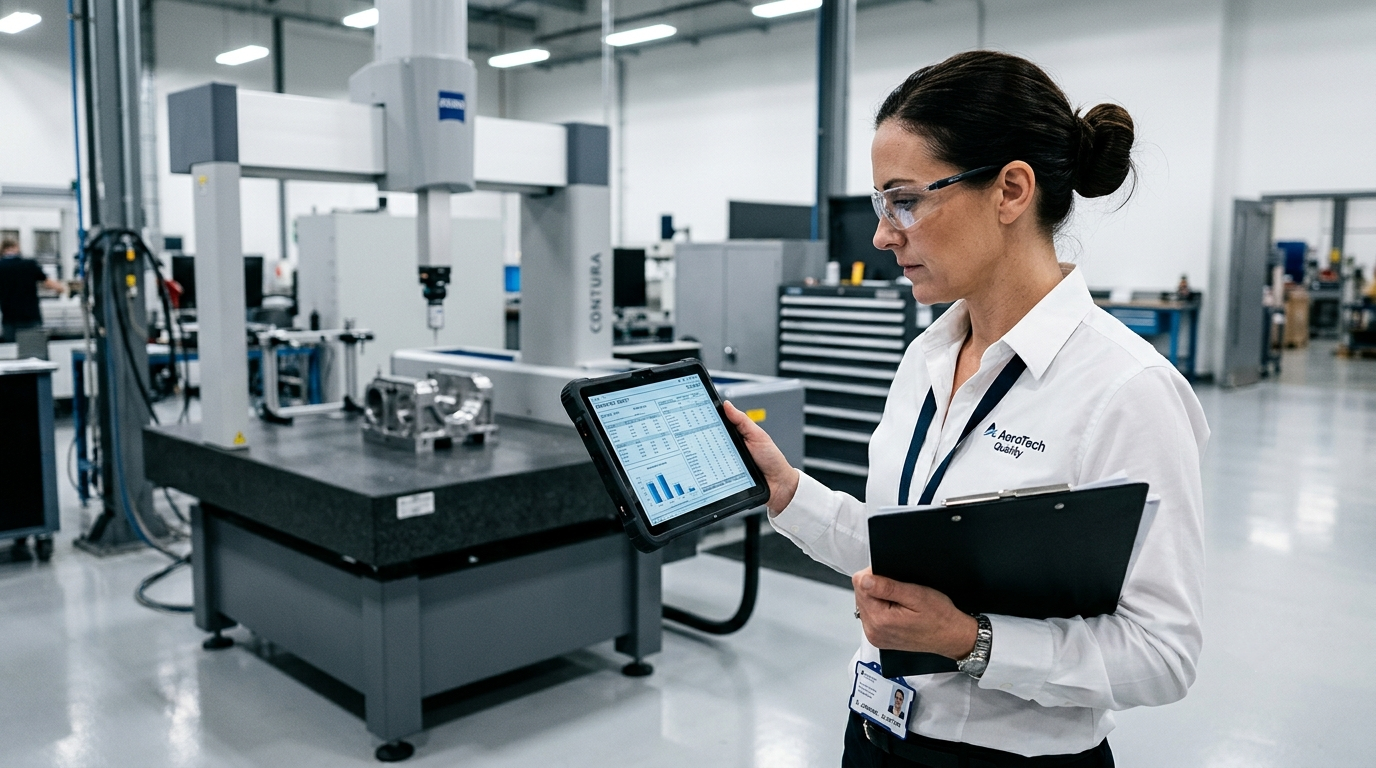
A small automotive parts manufacturer passed every technical check — then nearly lost their ISO 9001 certification because a maintenance notebook couldn't satisfy an auditor. The maintenance had been done. They just couldn't prove it.

A food packaging company's conveyor shut down during peak season because a night-shift technician's warning was written on a note that never reached the morning crew. Digital work orders and pattern detection in iTenance would have caught it weeks earlier.
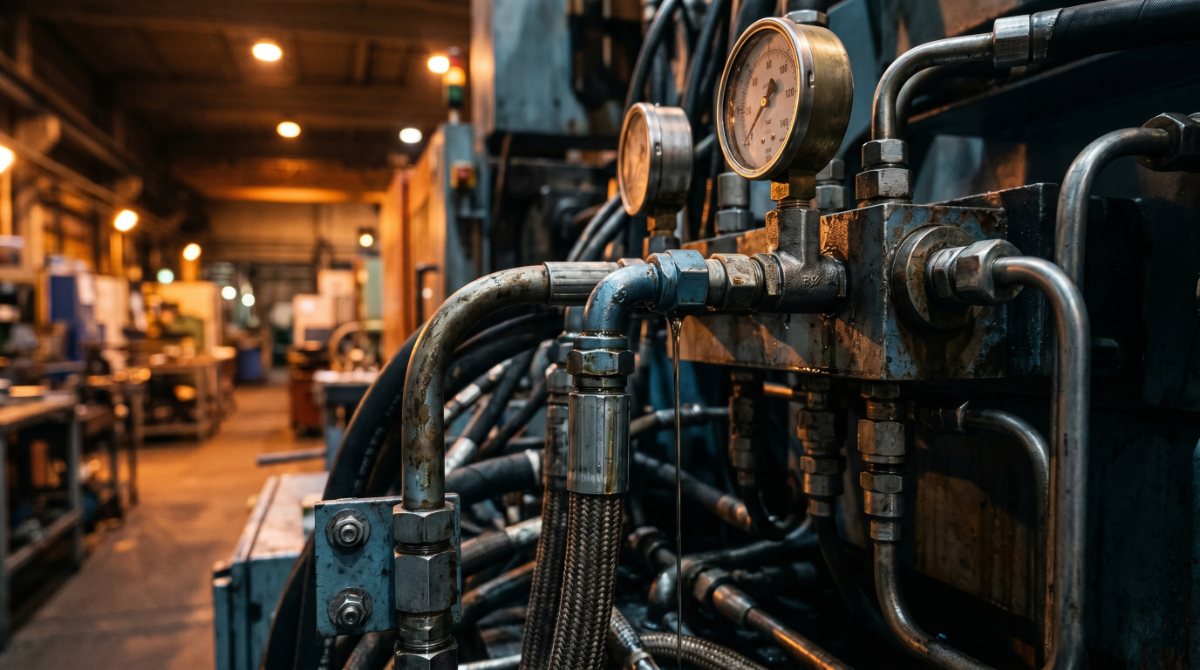
A small injection molding shop learned the hard way what happens when maintenance lives in a paper notebook. Here is the real story — and the simple system change that ended their reactive cycle for good.
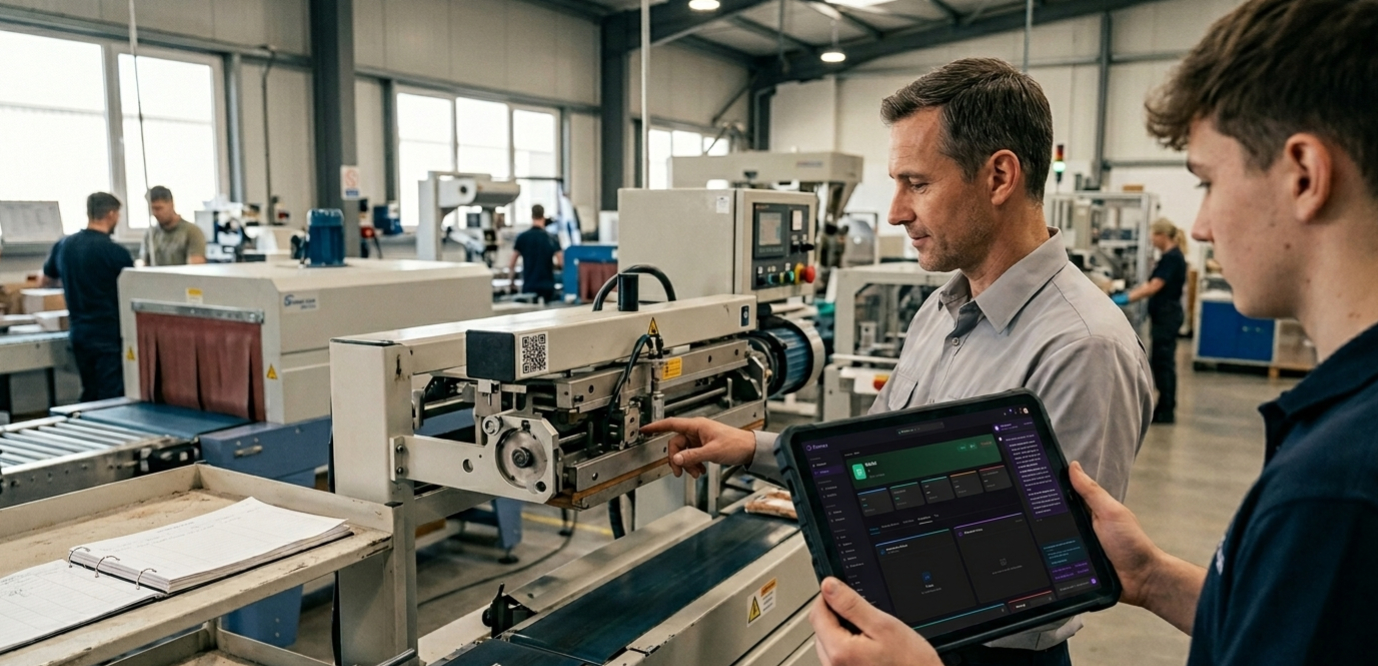
When a packaging line sealer breaks down on a Monday morning with orders to fill, it is never "just bad luck." In most small manufacturing businesses, it is the predictable result of having no system. Here is how Itenance gives simple manufacturers the same maintenance discipline that large factories have had for years — without the complexity or the price tag.
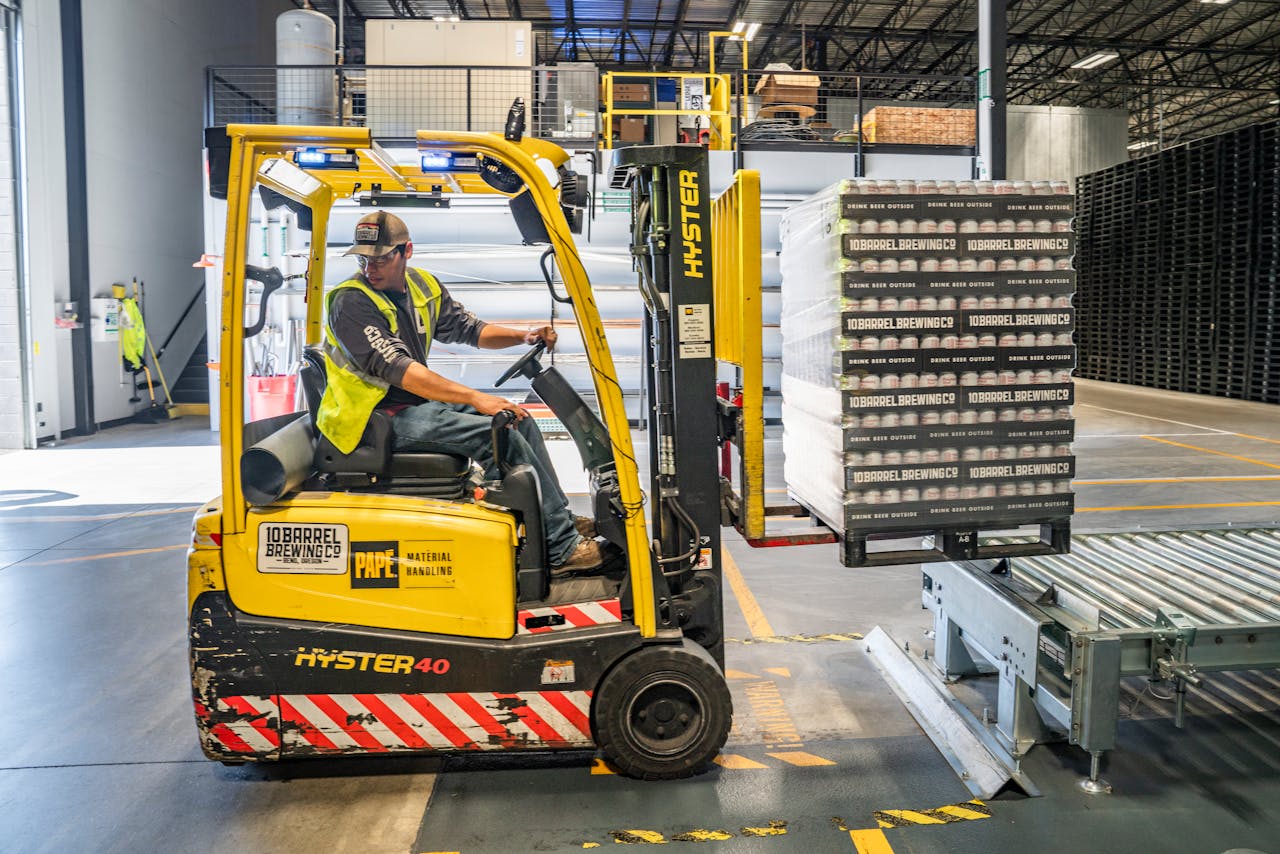
Most maintenance teams service their machines on a fixed calendar schedule — every 90 days, no matter what. But two identical forklifts in the same warehouse can have completely different wear curves depending on how hard they work. AI-driven scheduling reads actual usage data — hours run, load cycles, fault frequency — and adjusts service intervals for each individual machine. The result: less money wasted on unnecessary services, and fewer breakdowns slipping through the gaps.